2026 Plug-In Hybrid SUVs: The Eco-Friendly Big Rides to Know
The world is moving towards greener options, and cars are leading the way. “The best way to predict the future is to invent it,” said Alan Kay. This is happening with the upcoming plug-in hybrid SUVs.
Models like the 2025 Lexus NX 450h+ and RX 450h+ are already making a splash. They show off great efficiency and safety. You can bet the 2026 models will be just as thrilling. The move towards hybrid vehicles is getting bigger. The new cars in January will bring many perks, like less pollution and better performance.
Table of Contents
What Are Plug-In Hybrid SUVs?
As you look at the car market, you’ll see more plug-in hybrid SUVs in 2026. These cars mix electric vehicle benefits with the long drive of gas cars.
Definition of Plug-In Hybrid SUVs
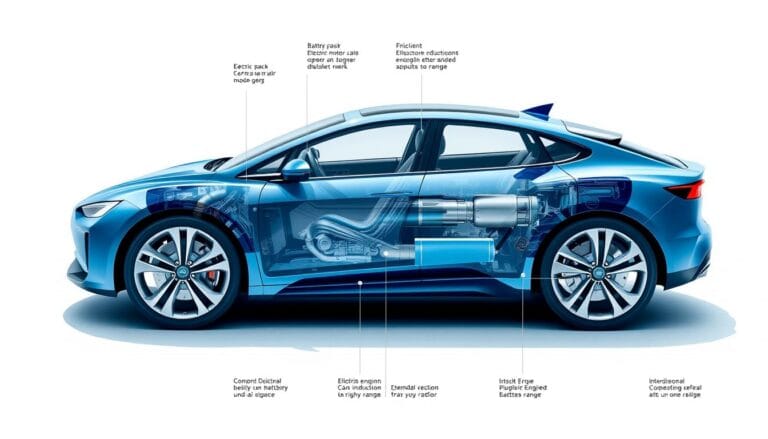
A plug-in hybrid SUV has an electric motor and a gas engine. You can drive electric for a while before the gas engine takes over. For example, the Mitsubishi Outlander PHEV can go 60 km on electric alone, perfect for daily drives.
Key characteristics of plug-in hybrid SUVs include:
- Ability to charge the battery from an external power source
- Use of both electric and gasoline power for propulsion
- Typically larger battery capacity compared to non-plug-in hybrids
Benefits of Plug-In Hybrid Technology
Plug-in hybrid SUVs have many advantages. They help cut down emissions if you charge them often. They also get better gas mileage, as they can run electric for a lot of your trip.
| Model | Estimated Electric Range | Fuel Efficiency |
|---|---|---|
| Mitsubishi Outlander PHEV | 60 km | High |
| Other Models | Varies | Varies |
When looking at plug-in hybrid SUVs for 2026, the Mitsubishi Outlander PHEV stands out. It leads in electric range and efficiency.
Why Choose a Plug-In Hybrid SUV in 2026?
Plug-in hybrid SUVs are set to be big in 2026. They offer a mix of power and green living. If you’re thinking about a new car, a plug-in hybrid SUV could be great.
Environmental Impact
These SUVs are good for the planet. Cars like the Volvo XC90 T8 Plug-In Hybrid AWD cut down on emissions. They use both electric and gasoline power, which is better for the environment.
Fuel Efficiency
Plug-in hybrid SUVs also save you money on gas. They can run on electric or hybrid power, which lowers fuel costs. This is great for those with long commutes or who want to save on gas.
Versatility and Space
These SUVs are also roomy and versatile. They have lots of space for cargo and passengers. The Volvo XC90 T8 is a good example, with lots of room and style.
In short, a plug-in hybrid SUV in 2026 is a wise choice. They’re good for the planet, save on gas, and are practical. With options like the Volvo XC90 T8, it’s an exciting time for SUV shoppers.
Top Plug-In Hybrid SUVs Launching in January 2026
January 2026 is set to introduce a new range of plug-in hybrid SUVs. These vehicles aim to change the car world for the better. They are part of a bigger move towards greener cars.
Overview of Anticipated Models
The 2026 lineup will feature several exciting models. The 2025 Lexus NX 450h+ and RX 450h+ have already shown great efficiency and safety. Their 2026 versions are expected to be even better.
Other car makers will also bring their own top models. This means there will be many choices for buyers.
Some of the top models to look out for include:
- The all-new Toyota plug-in hybrid SUV, expected to offer improved fuel efficiency and advanced technology features.
- The Ford plug-in hybrid SUV, rumored to have a significant electric-only range and robust performance capabilities.
- The Honda plug-in hybrid SUV, anticipated to provide a spacious interior and innovative safety features.
Key Features to Look for
When choosing a plug-in hybrid SUV, there are key features to think about. The electric-only range is important. It shows how far you can go without using gas.
Also, charging time and charging infrastructure in your area are key. These affect how easy it is to keep your car charged.
Other important features include:
- Advanced safety features, such as adaptive cruise control and lane-keeping assist.
- Infotainment and connectivity options, including smartphone integration and voice command.
- Interior space and comfort, including seating capacity and cargo space.
By looking at these features, you can pick the best plug-in hybrid SUV for you.
How to Select the Right Plug-In Hybrid SUV for You
Choosing a plug-in hybrid SUV is easier when you think about your driving, budget, and local charging options. With new models coming in January 2026, it’s a great time to shop.
Consider Your Driving Habits
Knowing how you drive is key to picking the right SUV. If you drive long distances, look for an SUV with a good electric range. This will help save on fuel.
If you drive about 30 miles a day, an SUV with 30-40 miles of electric range is perfect. Think about the roads you drive on and if the SUV’s performance fits your needs.
Evaluate Your Budget
Your budget is important when choosing a plug-in hybrid SUV. These vehicles save money in the long run but cost more upfront than regular SUVs.
Look into government incentives like the Canada iZEV rebate. They can lower the SUV’s cost. In the U.S., federal tax credits can also save you money.
Check Charging Infrastructure
Having places to charge your SUV is essential. Make sure your home and usual spots have charging points.
Cities are adding more public charging spots, but it varies by location. Check if the SUV can use Level 1, Level 2, or DC Fast Charging. This ensures it meets your charging needs.
Think about your driving, budget, and charging options to find the right plug-in hybrid SUV. This way, you’ll enjoy owning it.
Comparison of Leading Brands’ Plug-In Hybrid SUVs
Exploring the 2026 hybrid SUV market, we see many exciting models. Each brand offers unique features, strengths, and weaknesses. We’ll look at the plug-in hybrid SUVs from Toyota, Ford, Honda, Hyundai, BMW, and Volkswagen.
Toyota vs. Ford
Toyota and Ford are well-known in the car world. Their 2026 plug-in hybrid SUVs will likely be top contenders. Toyota is famous for being reliable and fuel-efficient. Ford is known for its strong engines and cutting-edge tech.
| Feature | Toyota | Ford |
|---|---|---|
| Fuel Efficiency | Up to 50 MPG | Up to 45 MPG |
| Engine Power | 200 HP | 250 HP |
| Electric Range | 40 miles | 50 miles |
Honda vs. Hyundai
Honda and Hyundai are big names in plug-in hybrid SUVs. Honda is loved for its roomy interiors and smooth ride. Hyundai is known for its packed features and long warranties.
| Feature | Honda | Hyundai |
|---|---|---|
| Interior Space | 105 cubic feet | 100 cubic feet |
| Infotainment System | 10.2-inch screen | 12.3-inch screen |
| Warranty | 3 years/36,000 miles | 5 years/60,000 miles |
BMW vs. Volkswagen
BMW and Volkswagen are European brands making waves in plug-in hybrid SUVs. BMW is known for its performance and luxury. Volkswagen is praised for its design and driving feel.
| Feature | BMW | Volkswagen |
|---|---|---|
| Performance | 300 HP | 280 HP |
| Design | Luxury interior | Modern exterior |
| Driving Dynamics | Rear-wheel drive | All-wheel drive |
By comparing these top brands’ plug-in hybrid SUVs, you can choose what’s best for you. Consider what matters most to you, like fuel efficiency, performance, space, or advanced features.
Safety Features in New Plug-In Hybrid SUVs
As we explore the new plug-in hybrid SUVs for January 2026, safety is key. These models are eco-friendly and packed with the latest safety tech.
Advanced Driver Assistance Systems (ADAS)
The 2026 SUVs come with Advanced Driver Assistance Systems (ADAS). These systems aim to prevent accidents by alerting drivers and sometimes taking control of the vehicle.
- Adaptive Cruise Control: Keeps a safe distance from the car in front.
- Lane Departure Warning: Warns if the car drifts out of its lane.
- Automatic Emergency Braking: Applies brakes to avoid or lessen a crash.
The 2025 Volvo XC90 is a great example. It shows what the 2026 SUVs might offer in terms of safety.
Crash Test Ratings
Crash test ratings are vital for safety. The 2026 SUVs will face tough tests from the NHTSA and IIHS.
- The IIHS gives Top Safety Pick+ to cars that pass all tests and have the best headlights.
- The NHTSA rates safety based on frontal and side crash tests.
Models like the Volvo XC90 have always scored high. The 2026 SUVs are expected to do the same, giving buyers confidence.
In summary, the 2026 plug-in hybrid SUVs will impress with their safety features. Look for advanced ADAS and high crash test ratings. This ensures your new SUV is safe for you and your family.
Understanding the Cost of Ownership
When looking at plug-in hybrid SUVs for 2026, it’s key to consider both the upfront costs and long-term savings. These vehicles might cost more at first than traditional gas cars. But, they save money over time by using less fuel.
Initial Price vs. Long-Term Savings
The higher starting price of plug-in hybrid SUVs is balanced by lower fuel costs. For example, driving one can cost just $3 to $5 per 100 miles on electric power alone. Here’s a comparison to show the savings:
| Vehicle Type | Annual Fuel Cost | 5-Year Fuel Cost |
|---|---|---|
| Gasoline-Powered SUV | $1,500 | $7,500 |
| Plug-In Hybrid SUV | $500 | $2,500 |
The plug-in hybrid SUV saves a lot on fuel costs over five years. Governments also offer incentives for eco-friendly vehicles. These can lower the effective purchase price even more.
Maintenance Considerations
Maintenance for plug-in hybrid SUVs is similar to traditional SUVs, with some savings. The engine wears less, but the battery and electric motor need special care. This might raise maintenance costs in some cases.
Key maintenance considerations include:
- Battery health checks
- Regular software updates for the electric motor and battery management systems
- Standard maintenance tasks like oil changes (where applicable) and tire rotations
Many makers offer warranties on the battery and electric parts. This gives owners peace of mind.
Understanding the total cost of owning a plug-in hybrid SUV helps you make a better choice in 2026. This includes both the initial cost and ongoing expenses.
Incentives and Rebates for Plug-In Hybrid SUVs
Buying a plug-in hybrid SUV in 2026 can be cheaper than you think. Governments worldwide offer incentives to encourage eco-friendly vehicles. This makes plug-in hybrids more affordable.
Federal Tax Credits
In the U.S., there are federal tax credits for plug-in hybrid SUVs. These credits can lower the cost of your new vehicle. The credit amount depends on the battery size and the manufacturer’s sales.
For example, in 2026, you can get up to $7,500 in federal tax credits for eligible SUVs.
Key Points to Consider:
- The tax credit starts to decrease when a manufacturer sells 200,000 eligible vehicles.
- The credit amount changes based on the battery capacity.
- Not all plug-in hybrid SUVs qualify; check the eligibility criteria before buying.
State and Local Incentives
Many states and local governments also offer incentives for plug-in hybrid SUVs. These can include rebates, fee exemptions, or carpool lane access. For example, some states give up to $2,000 for eco-friendly vehicles.
| State | Incentive Type | Amount |
|---|---|---|
| California | Rebate | $2,000 |
| New York | Tax Credit | $1,500 |
| Oregon | Rebate | $1,000 |
Canada also offers great incentives. The iZEV rebate program gives up to $5,000 for eligible SUVs. This program helps reduce greenhouse gas emissions and supports cleaner transport.
“Investing in eco-friendly vehicles is not just a step towards reducing our carbon footprint; it’s also a smart financial move with the incentives available today.” –
When looking at plug-in hybrid SUVs in January 2026, check the incentives in your area. Combining federal tax credits with state and local incentives can make your eco-friendly ride even more affordable.
Sustainability Impact of Plug-In Hybrid SUVs
Plug-in hybrid SUVs are key to making cars greener. They mix good performance with caring for the planet. Let’s look at how they affect the environment, from start to finish.
Lifecycle Assessment of Emissions
Studying plug-in hybrid SUVs shows their impact on emissions. They can cut emissions by up to 40% compared to gas cars. This is because they use electric power a lot.
“The overall environmental impact of plug-in hybrid SUVs is significantly lower than that of conventional SUVs, when powered by renewable energy.”
Here’s a table showing emissions differences between SUVs:
| SUV Type | Production Emissions (g CO2) | Usage Emissions (g CO2/mile) | Total Lifecycle Emissions (g CO2) |
|---|---|---|---|
| Gasoline SUV | 10,000 | 400 | 50,000 |
| Plug-in Hybrid SUV | 12,000 | 200 | 30,000 |
| Electric SUV | 15,000 | 0 | 15,000 |
Contribution to Reduced Urban Pollution
Plug-in hybrid SUVs help clean cities by using less gas. They cut down on harmful emissions. This is great for city air quality.
The Volvo XC60 Recharge is a good example. It goes electric-only, reducing city pollution. Choosing such cars helps make cities cleaner.
In summary, plug-in hybrid SUVs are important for a greener future. They lower emissions and help cities breathe better. They’re a smart choice for those who care about the planet.
The Future of Plug-In Hybrid SUVs Beyond 2026
Looking ahead, 2026 is just the start for plug-in hybrid SUVs. Top brands like Hyundai and Genesis are introducing new models. You’ll hear more about upcoming plug-in hybrid SUVs soon.
Advancements in Technology
Better batteries and lower emissions will keep the industry growing. The new SUVs in 2026 will have improved electric systems. They’ll also have range extenders, appealing to those who care about the environment.
Industry Trends
The push for greener cars will keep going strong. Plug-in hybrid SUVs will be key players. With each new model, you can expect even more cool features and less harm to the planet.
Keeping up with the latest in plug-in hybrid SUVs is key. It’s all about moving towards a greener car future.