Low-Emission Vehicles Launching 2026: Drive Greener from Day 1
“The greatest danger to our future is apathy,” said Jane Goodall, a renowned environmentalist. The world is facing climate change, making sustainable transport more urgent. The Canadian government has introduced the Electric Vehicle Availability Standard to help.
This policy will make zero-emission vehicles a bigger part of new car sales. This means eco-friendly cars will hit the market in January 2026. When you buy your next car, you can start driving green right away.
Key Takeaways
- The Canadian government is promoting sustainable transportation through the Electric Vehicle Availability Standard.
- Zero-emission vehicles will make up a growing share of new light-duty vehicle sales.
- Low-emission vehicles are set to launch in January 2026.
- You can drive greener from day one with the new eco-friendly car models.
- The Electric Vehicle Availability Standard aims to reduce greenhouse gas emissions from the transportation sector.
Understanding Low-Emission Vehicles
With new low-emission vehicles hitting the market in January 2026, it’s key to understand their role. These vehicles aim to cut down on greenhouse gas emissions and fight climate change.
What Makes a Vehicle Low-Emission?
A vehicle is low-emission if it spews out much less greenhouse gas than regular cars. This is thanks to tech like hybrid and electric engines.
Key features of low-emission vehicles include:
- Electric or hybrid powertrains
- Advanced emission reduction technologies
- Regenerative braking systems
- Efficient battery technologies
Benefits of Low-Emission Vehicles
Low-emission vehicles save you money and make the air cleaner. They cut down on fuel costs and your carbon footprint.
These vehicles do more than save you cash. They help the planet and meet strict emission rules.
Environmental Impact and Sustainability
Low-emission vehicles are good for the planet, cutting down on harmful emissions and air pollution. As we aim for greener transport, these vehicles play a big part.
| Vehicle Type | Emission Reduction | Fuel Efficiency |
|---|---|---|
| Hybrid Vehicles | 20-30% | Up to 50 mpg |
| Electric Vehicles | 70-100% | N/A (Electric) |
| Plug-in Hybrid Vehicles | 40-60% | Up to 100 mpg-e |
We’ve covered the basics of low-emission vehicles, their perks, and their positive effect on the environment. As new models arrive in January 2026, knowing about these vehicles is important for smart choices.
Key Models to Watch in January 2026
January 2026 is a big month for cars. Many new low-emission vehicles will hit the market. This is because the world is moving towards cleaner cars.
Major Automakers Releasing New Models
Big names like Tesla, Toyota, and Volkswagen are leading the way. Tesla will show off an electric car with better batteries. Toyota plans to introduce a new hybrid car, improving on the Prius.
Volkswagen will also unveil a new electric car with cutting-edge tech. These new cars are big steps towards greener driving.
Innovative Features of Upcoming Models
The new cars will have cool features. They’ll have better batteries for longer drives and quicker charging. They’ll also have top-notch safety and entertainment systems.
Key Features to Look Out For:
- Enhanced battery life and faster charging capabilities
- Advanced driver-assistance systems (ADAS) for improved safety
- Integration of AI for a more personalized driving experience
- Sustainable materials used in vehicle interiors
Comparisons with Existing Low-Emission Vehicles
The new cars will be much better than the old ones. They’ll be more efficient, go farther, and perform better. For example, the new Tesla model will go over 500 miles on one charge.
These cars will also have new designs and tech. They will lead the way to a greener future in cars.
The Technology Behind Low-Emission Vehicles
New low-emission vehicles hit the market in January 2026. It’s key to understand the tech behind this shift. These vehicles are getting smarter, catering to those who care about the planet.
Hybrid vs. Electric: What’s the Difference?
Low-emission vehicles are mainly hybrids or electric. Hybrid vehicles mix a gas engine with an electric motor. This combo boosts fuel efficiency and reduces emissions.
Electric vehicles (EVs) run on batteries alone, making no tailpipe emissions. Your choice depends on your driving, charging access, and what you prefer. Hybrids are great for long trips, while EVs suit short commutes with easy charging.
Advances in Battery Technology
Battery tech is vital for electric vehicles. New breakthroughs have made batteries more efficient and affordable. Lithium-ion batteries are now the norm, balancing energy and cost well.
New tech like solid-state batteries could improve even more. They promise better energy, faster charging, and safety. These advancements will make electric cars more attractive to many.
Emission Reduction Innovations
Low-emission vehicles also use new tricks to cut emissions. Aerodynamic design and lightweight materials help save fuel. These features make vehicles more efficient.
Car makers are also working on greener production methods. They use sustainable manufacturing practices and choose materials wisely. These steps aim to lessen the environmental impact of cars, from making to recycling.
Economic Benefits of Low-Emission Vehicles
As we move towards greener transportation, knowing the economic perks of low-emission cars is key. New models are set to hit the market in January 2026. Buyers are curious about the financial gains these vehicles promise.
Cost Savings on Fuel and Maintenance
Low-emission cars save money on fuel. Electric and hybrid cars use less gas or diesel. For example, electric cars run on batteries, cutting down fuel costs a lot.
Maintenance costs are also lower. Electric cars have fewer parts, so they need less repair and replacement.
Government Incentives and Tax Breaks
Many governments, including the U.S., offer incentives for low-emission cars. These include tax credits, rebates, and fee exemptions. For instance, electric car buyers can get a tax credit that lowers the car’s initial cost.
Some states also give special privileges like carpool lane access, even for solo drivers. This can save time and reduce stress in traffic.
Resale Value Considerations
Buying a low-emission car can also boost its resale value. As environmental concerns grow, so does demand for eco-friendly cars. This could make these cars more valuable when you sell them.
When thinking about buying, remember to look at the resale value. The car’s condition, battery health (for EVs), and the maker’s reputation all play a part in its resale worth.
How to Prepare for the 2026 Launch
Getting ready for the January 2026 launch of low-emission vehicles is important. It involves several key steps to make your buying decision easier. As the car industry moves towards sustainability, knowing what to expect is key.
Researching Available Models
First, look into the new models coming out in January 2026. Big car makers will introduce electric and hybrid cars. Look for better battery life, safety features, and eco-friendly making.
Key Features to Look For:
- Advanced battery technology for longer ranges
- Regenerative braking systems for improved efficiency
- Eco-friendly interior materials and manufacturing processes
A leading car expert says, “The future of cars is electric, and 2026 is a big year for green vehicles.”
“The future of cars is electric, and 2026 is shaping up to be a big year for green vehicles.” –
Test Driving and Pre-Ordering
After finding models you like, test drive them. This lets you see how they feel and work. Many dealers will let you pre-order the 2026 models.
| Model | Range | Price |
|---|---|---|
| Model A | 300 miles | $35,000 |
| Model B | 250 miles | $30,000 |
| Model C | 400 miles | $45,000 |
Understanding Financing Options
Knowing your financing options is key when buying a car. Governments offer incentives like tax credits for green cars. Also, car makers might have special financing or leasing deals.
By researching, test driving, and learning about financing, you’re ready for the 2026 launch. Stay informed and drive green from the start.
Charging Infrastructure for Electric Vehicles
The electric vehicle (EV) market is growing fast. This means we need more charging spots. If you’re thinking about getting an EV, you’ll find the charging situation improving.
Current State of EV Charging Stations
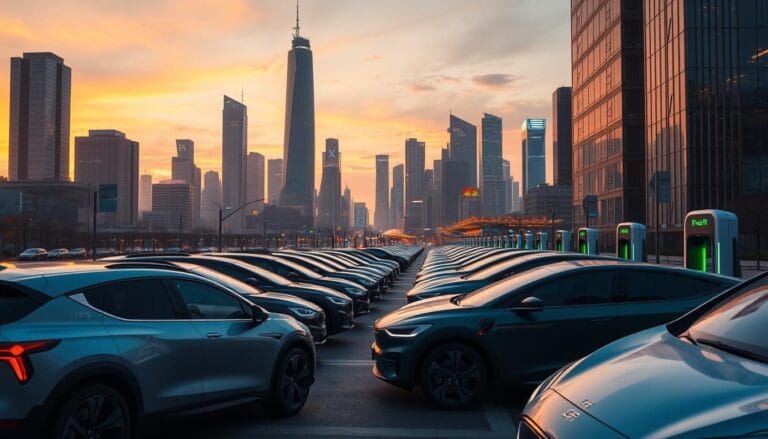
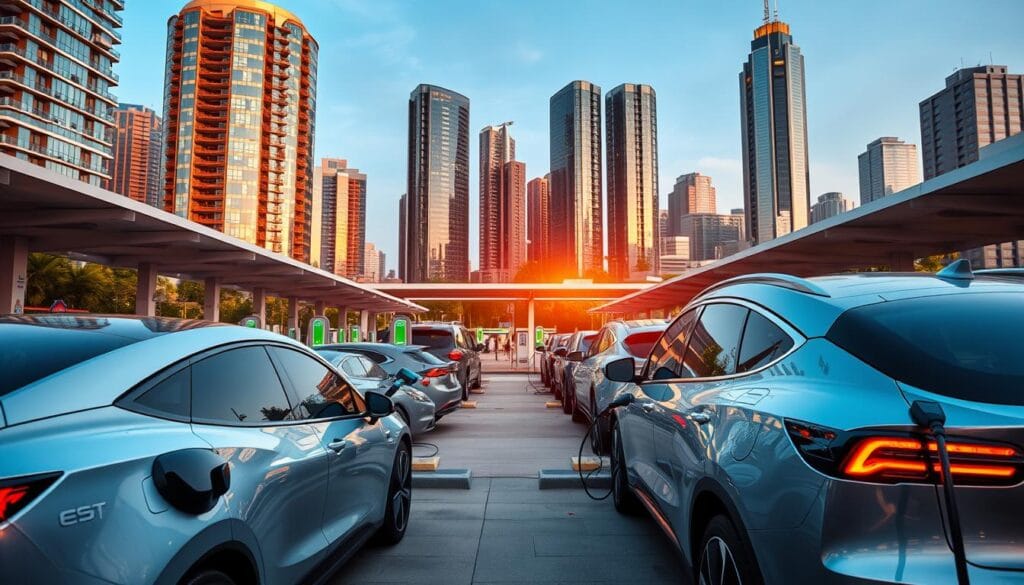
There are now thousands of public charging spots in the U.S. You can find Level 1, Level 2, and DC Fast Chargers. DC Fast Chargers can fill up your EV to 80% in under 30 minutes.
Charging stations are popping up in shopping centers, parking garages, and along highways. This makes traveling in an EV easier. But, the number and location of these spots vary by area.
Future Developments in Charging Networks
The future of EV charging looks bright. Ultra-fast charging networks are coming, with speeds up to 350 kW. This will make charging your EV much quicker.
Charging stations will also be powered by solar and wind energy. This makes EVs even greener and reduces carbon emissions.
Home Charging Solutions Explained
Home charging is often the most convenient option. You can install Level 1 or Level 2 chargers at home. The right choice depends on your vehicle and driving habits.
Key considerations for home charging include:
- The cost of installation, which can vary based on the charger type and your home’s electrical setup.
- The availability of incentives, such as tax credits or rebates, which can help offset the cost.
- The impact on your home’s electrical system, if you have other high-power devices.
Understanding these points will help you choose the best home charging solution.
Regulations Impacting Low-Emission Vehicles
The world is moving towards eco-friendly cars. It’s important to know the rules for these cars. These rules shape the car industry, affect what people buy, and help make transportation greener.
Overview of State and Federal Regulations
The rules for low-emission cars are complex. They come from both the federal and state levels. The Environmental Protection Agency (EPA) sets emission standards. The Department of Transportation (DOT) looks at fuel efficiency.
States also have their own rules. For example, California sets strict emissions standards. Other states often follow California’s lead. You can find the latest updates on EV policy updates.
| State | Emissions Standard | Incentives for Low-Emission Vehicles |
|---|---|---|
| California | Zero-Emission Vehicle (ZEV) mandate | $5,000 rebate for eligible vehicles |
| New York | Emissions standards aligned with California | $2,000 rebate for electric vehicles |
| Texas | Federal emissions standards apply | State sales tax exemption for electric vehicles |
Impact of Incentives on Consumer Choices
Incentives help people choose low-emission cars. Things like tax credits and rebates make these cars cheaper. This makes them more appealing to buyers.
Key incentives to look out for include:
- Federal Tax Credits: Up to $7,500 for eligible electric vehicles
- State Rebates: Varying amounts for different states, such as California’s $5,000 rebate
- Local Incentives: Some cities offer additional incentives, like free parking or access to HOV lanes
Future Legislation Trends to Watch
The car industry is changing fast. Expect stricter emissions rules and more incentives for green cars. These changes will help make cars more eco-friendly.
It’s key to keep up with these changes. Knowing the rules helps you choose the right car. It also lets you use available incentives.
Consumer Trends Driving Low-Emission Vehicle Adoption
The car world is changing fast, with more people wanting low-emission vehicles. Knowing these trends can help you choose the right car.
Growing Demand for Sustainable Mobility
More people want cars that are good for the planet. Studies show many buyers now think about how their car affects the environment. They want to cut down on carbon emissions and improve air quality.
Sustainable transportation is now a big deal, not just a small part of the market. Car makers are launching cutting-edge green vehicle models. These cars are not only eco-friendly but also come with the latest tech and design.
- Increased awareness of climate change and its impacts
- Government incentives for low-emission vehicles
- Advancements in vehicle technology
Urban vs. Rural Adoption Rates
Low-emission vehicle adoption differs a lot between cities and rural areas. City folks are more into these cars because of pollution, better charging spots, and strict emissions rules.
Rural areas face issues like few charging spots and long drives. But, as tech gets better and charging networks grow, these problems are getting solved.
Demographic Influences on Purchasing Decisions
Who buys low-emission cars matters a lot. Young people, who care more about the planet, are leading the charge. Also, richer families tend to buy the fancier eco-friendly cars.
“The future of transportation is electric, and it’s being driven by consumer demand for cleaner, more sustainable options.” – Industry Expert
Knowing who buys these cars can help you pick the best one for you.
Maintaining Your Low-Emission Vehicle
Keeping your low-emission vehicle in good shape is more than just making it run. It’s about keeping it eco-friendly. Regular care helps your vehicle use fuel efficiently and reduce harm to the environment.
Routine Maintenance Best Practices
To keep your low-emission vehicle in top shape, follow these steps:
- Regularly check and maintain the recommended tire pressure to improve fuel efficiency.
- Use the manufacturer’s recommended grade of motor oil to ensure optimal engine performance.
- Replace the air filter as recommended to maintain fuel efficiency and performance.
- Follow the scheduled maintenance plan provided by the manufacturer.
For example, if you own aToyota Prius, check the owner’s manual for specific maintenance schedules and recommendations.
Eco-Friendly Service Options
When it’s time for service, look for eco-friendly options. Many service centers now use green practices, like recycling and eco-friendly cleaning products.
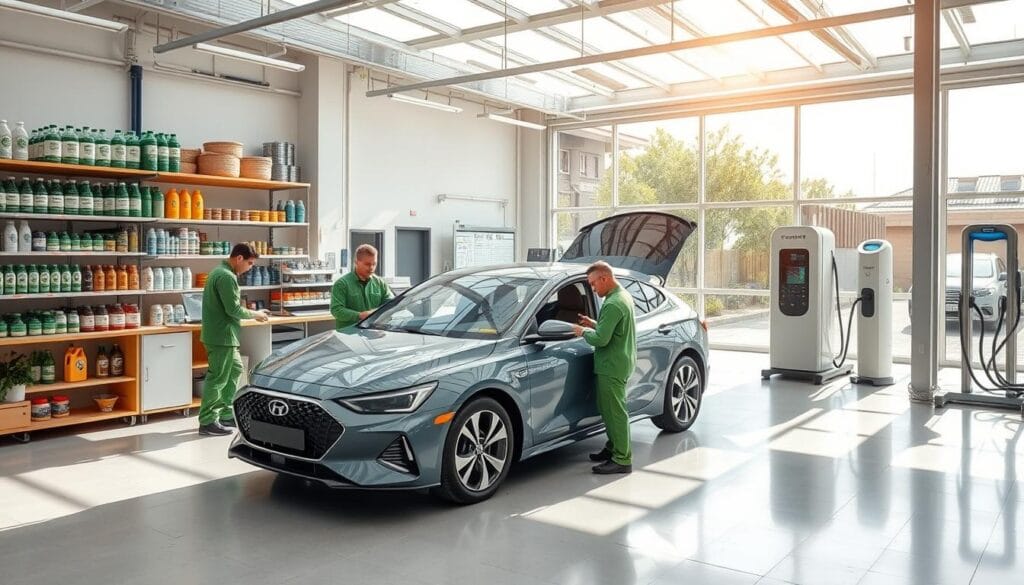
Choosing these options helps reduce your vehicle’s environmental impact.
Extending the Life of Your Vehicle
To make your low-emission vehicle last longer, try these tips:
- Avoid extreme temperatures by parking in shaded areas or using a sunshade.
- Drive smoothly and avoid aggressive acceleration or braking.
- Keep your vehicle clean, both inside and out, to prevent damage from dirt and debris.
By following these tips, you can enjoy your low-emission vehicle for many years. And you’ll help keep the environment cleaner too.
The Role of Low-Emission Vehicles in Combating Climate Change
Low-emission vehicles are key in the fight against climate change. They offer a cleaner option compared to traditional cars. This shift is vital for reducing greenhouse gas emissions from transportation.
Connectivity Between Transportation and Climate Goals
The link between transportation and climate goals is clear. Low-emission vehicles help cut down the carbon footprint of cars and trucks. For example, Canada aims to have more electric cars by 2035, as part of their Electric Vehicle Availability Standard.
Low-Emission Vehicles in Urban Planning
Cities are changing to fit low-emission vehicles. They’re building more charging spots and pushing for cleaner cars. Urban planning now focuses on making room for these eco-friendly vehicles.
| City | Low-Emission Vehicle Incentives | Charging Infrastructure |
|---|---|---|
| New York | Tax credits for EV purchases | Over 100 public charging stations |
| Los Angeles | Rebates for low-emission vehicle owners | Extensive network of charging stations |
Community Initiatives Supporting Sustainable Transport
Local efforts are boosting the use of low-emission vehicles. Governments and groups are running programs to encourage them. These efforts include spreading the word, giving incentives, and building more charging spots.
“The transition to low-emission vehicles is not just about reducing emissions; it’s about creating a sustainable transportation system that benefits our communities and the environment.” – Environmental Expert
By choosing low-emission vehicles, communities help the planet and future. As more people want green transport, these cars will play a bigger part in fighting climate change.
FAQs About January 2026 Low-Emission Vehicle Models
As the January 2026 launch date approaches, many are curious about the new low-emission vehicles. These cars are becoming more common as the auto industry moves towards greener options. It’s important to know what makes these vehicles special.
Common Questions and Concerns
People often wonder about the range, charging times, and performance of these cars. Another big worry is the cost. But, these vehicles can save money in the long run on fuel and upkeep.
Here are some key questions and answers:
- What is the expected range of the new low-emission vehicles? Most models are expected to have a range of over 300 miles on a single charge.
- How long does it take to charge these vehicles? Charging times vary, but many models can be fully charged in under 30 minutes with fast-charging technology.
- Are there incentives for buying low-emission vehicles? Yes, many governments offer incentives such as tax credits and rebates to encourage the adoption of eco-friendly vehicles.
Addressing Misconceptions About Low-Emission Vehicles
There are many myths about low-emission vehicles that need clearing up. Some think these cars are slow or too pricey. But, the truth is, many models are fast and competitively priced.
| Model | Range | 0-60 mph | Price |
|---|---|---|---|
| Model A | 350 miles | 4.5 seconds | $45,000 |
| Model B | 320 miles | 5.0 seconds | $42,000 |
| Model C | 380 miles | 4.2 seconds | $48,000 |
Resources for Further Research
For more information on low-emission vehicles, there are many resources out there. Check out official websites, car review sites, and government publications. They offer great insights into the latest models and tech.
By doing your homework, you can make a smart choice when picking your next car.
Conclusion: Your Journey to Greener Driving Begins
The world is moving towards cleaner cars, and it’s a big step towards less pollution. With the new electric car launch in January 2026, you can be part of this big change.
Sustainable Transportation Ahead
The electric car revolution is coming, making our roads cleaner and greener. By choosing these cars, you help our planet and future.
Making an Informed Buying Decision
When you buy a new car, think about the green options. They’re good for the planet and save you money too. With government help and better charging spots, going green is easier than ever.
Embracing a Greener Future
You can make a difference by choosing eco-friendly cars. It’s not just about less pollution; it’s about a cleaner future for all. Start your journey to a greener drive today.