Level 2 EV Charger Installation Price & Complete Cost Guide
Elon Musk, CEO of Tesla, once said, “Sustainable energy is not just a moral imperative, it’s a business opportunity.” Getting a Level 2 EV charger at home is a big step towards green energy for electric car owners. The level 2 ev charger installation price can change a lot.
The cost to put in a home charging station usually falls between $800 and $2,500. The price depends on the charger, labor, materials, and if you need a permit.
Table of Contents
Understanding Level 2 EV Chargers
Many EV owners find Level 2 chargers useful for daily charging. They use a 240-volt connection. This makes charging much faster than Level 1 chargers, which use a standard 120-volt outlet.
What is a Level 2 EV Charger?
A Level 2 EV charger works at 240 volts. It charges EVs faster than Level 1 chargers. Perfect for daily use, it can fully charge most EVs in a few hours.
Benefits of Installing a Level 2 Charger
Installing a Level 2 charger has many benefits:
- Faster Charging: Level 2 chargers charge EVs up to 5 times faster than Level 1 chargers.
- Convenience: Charge your vehicle overnight. It’ll be ready for the next day.
- Increased Property Value: A Level 2 charger can make your property more attractive to buyers.
Comparison with Level 1 Chargers
Level 2 chargers offer clear advantages over Level 1 chargers. Here’s a comparison:
| Characteristics | Level 1 Chargers | Level 2 Chargers |
|---|---|---|
| Voltage | 120V | 240V |
| Charging Speed | Slow (12-24 hours for full charge) | Fast (4-8 hours for full charge) |
| Typical Use | Occasional, long-term parking | Daily driving needs |
| Installation | Plug into standard outlet | Requires 240V outlet installation |
When looking at ev charging station setup pricing, remember to include installation costs. These costs vary based on the job’s complexity and local rates. Getting a level 2 ev charger installation quote from a qualified electrician is key to understanding the total cost.
Factors Influencing Installation Price
Knowing what affects the level 2 ev charger installation price is key for homeowners. The cost to install a Level 2 electric vehicle charger can change a lot. This is due to several important factors.
Charger Type and Brand
The charger’s type and brand greatly affect the installation cost. Chargers have different prices, and some high-end ones might need extra parts. For example, a charger with Wi-Fi or high power might cost more than a simple one.
Well-known brands like ChargePoint, Siemens, and BMW are popular. Their prices vary from a few hundred to several thousand dollars. This depends on their features and if they fit your car.
| Brand | Model | Price Range |
|---|---|---|
| ChargePoint | HomeFlex | $499-$699 |
| Siemens | VersiCharge | $399-$599 |
| BMW | Wallbox | $599-$899 |
Installation Complexity
The installation’s complexity is a big factor in the cost. This includes if you need to upgrade your electrical panel or if the charger is far from it. Also, extra labor or materials can add to the cost.
For instance, if your electrical panel is old or small, upgrading it can increase the cost. If the charger is far from the panel, you’ll need more wiring and labor, raising the level 2 ev charger installation price.
Location and Accessibility
The charger’s location also affects the cost. Chargers in hard-to-reach places or needing extra work, like concrete, can cost more. Also, if you need outdoor-rated equipment or extra safety measures, it can add to the price.
It’s important to check the installation site well. This helps you know about any extra challenges or costs.
By knowing these factors, you can get ready for the costs of installing a Level 2 EV charger at home.
Average Price Range for Installation
Knowing the average cost for installing a Level 2 EV charger is key for those thinking of going electric. Homeowners usually spend between $800 and $2,500 for this installation.
Breakdown of Costs
The cost of installing a Level 2 EV charger breaks down into several parts. You’ll need to pay for the charger itself, ev charger installation service fees, and any electrical upgrades. The charger’s price can range from $300 to over $1,000, depending on the brand and features.
Installation service fees are a big part of the total cost. These fees cover the electrician’s labor. The cost can change based on how complex the installation is and local labor rates.
Regional Variations in Pricing
Prices for installing a Level 2 EV charger can differ by region. This is because of labor rates, permitting fees, and other local factors. For example, costs in cities might be higher than in rural areas because of higher labor costs and more complex electrical systems.
For businesses looking at commercial ev charging station installation cost, there are extra costs. These include site preparation, electrical upgrades, and network fees for managing charging stations.
Additional Costs to Consider
When planning for your Level 2 EV charger installation, think about extra costs. The initial charger and installation cost is big, but other factors can increase your total cost.
Permitting Fees
Permitting fees are another cost you might face. These fees change based on where you live. They make sure your installation meets local electrical rules. Check with your local authorities to find out the permitting fees for your area. Fees can be from $50 to $500 or more, depending on the installation’s complexity.
Electrical Upgrades
You might need to upgrade your electrical panel for a Level 2 EV charger. This is more likely if your home is older or already has a full electrical system. Upgrades can cost from a few hundred to several thousand dollars, based on the work needed.
Miscellaneous Supplies
You’ll also need to budget for miscellaneous supplies like wiring and conduit. These costs can add up fast. Talking to your installer can help you know what supplies you need and their costs.
In summary, when planning your Level 2 EV charger installation, remember these extra costs. Knowing about these can help you plan and budget better for your electric vehicle charger installation.
DIY vs. Professional Installation
Choosing between DIY and professional installation for a Level 2 EV charger is key. It affects safety and follows local electrical codes. DIY might seem appealing, but professional help is often safer and more reliable.
Pros and Cons of Each Option
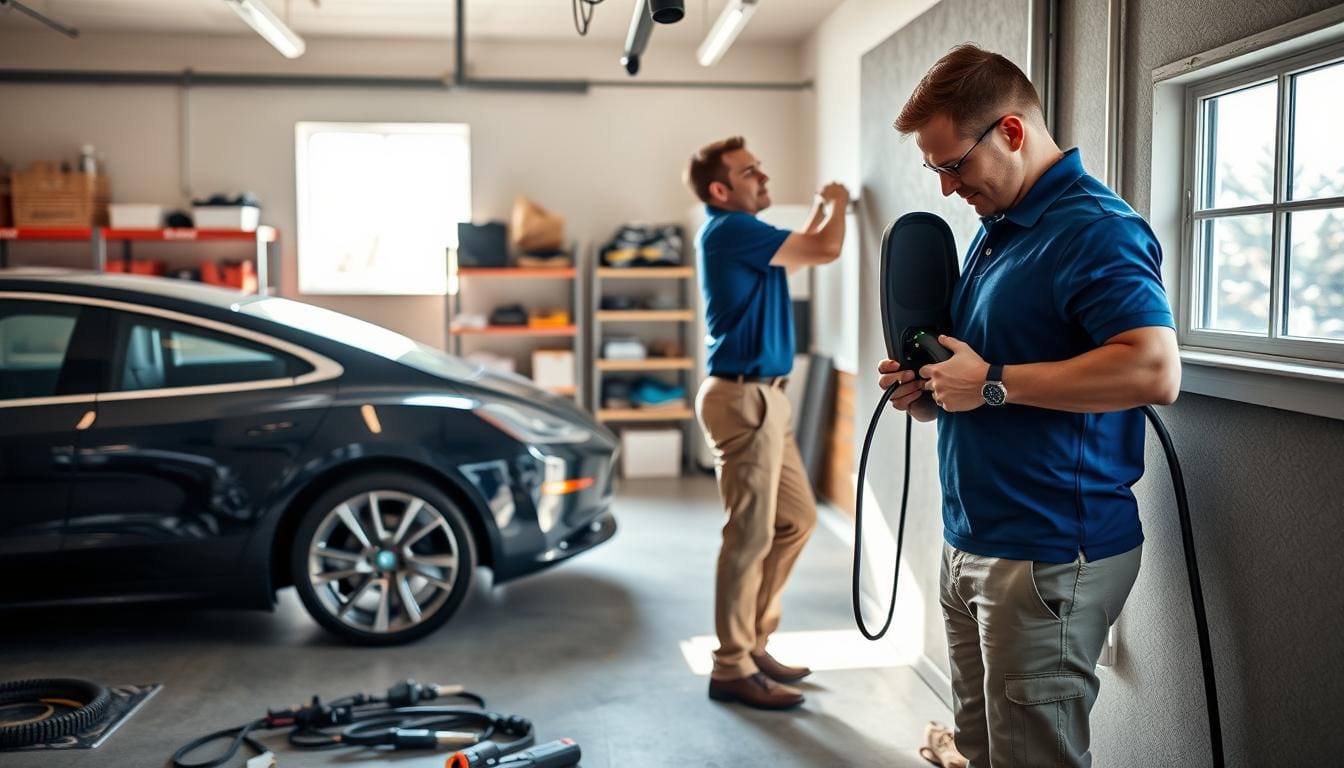
DIY installation can save money, with costs ranging from $500 to $1,500. But, it requires electrical knowledge. Without it, you might face safety risks or code violations.
Hiring a pro ensures a safe and correct installation. They know local codes and can solve unexpected problems. Yet, this option costs $500 to $1,500 for labor.
| Installation Method | Pros | Cons |
|---|---|---|
| DIY Installation | Cost savings on labor | Potential safety risks, non-compliance with local codes |
| Professional Installation | Safety, compliance with local codes, warranty on work | Labor costs |
Cost Implications of DIY
DIY can cut labor costs. But, remember the risks of mistakes or future adjustments. If you’re new to electrical work, errors could cost more later.
Here’s a cost breakdown for DIY:
- Level 2 EV charger: $400-$700
- Electrical materials (wiring, circuit breaker, etc.): $100-$300
- Total estimated cost: $500-$1,000
When to Hire a Professional
Consider a pro if you’re unsure about the installation. They ensure your charger is installed safely and meets local codes.
In summary, DIY might save money upfront. But, the risks and future costs should be weighed. Professional installation might be pricier but offers safety and compliance.
Finding a Qualified Installer
To make sure your Level 2 EV charger is installed right, finding a qualified pro is key. There are important steps to follow to find the best installer for you.
Tips for Choosing an Installer
When picking an installer, consider a few things. First, look for those who are licensed and have EV charger installation experience. Ask friends or family who have had chargers installed for recommendations. Also, check online reviews to see what others say about their work.
Key Qualities to Look for in an Installer:
- Licensure and certification
- Experience with Level 2 EV charger installations
- Positive customer reviews
- Competitive pricing
Getting quotes from different installers is also smart. A good quote should cover the charger cost, installation labor, any needed electrical work, and permits.
| Installer | License/Certification | Experience | Price Quote |
|---|---|---|---|
| Installer A | NEC Certified | 5+ years | $800 |
| Installer B | NABCEP Certified | 3+ years | $900 |
| Installer C | State Licensed | 2+ years | $700 |
Questions to Ask Potential Installers
After making a list of possible installers, ask them the right questions. Ask about their EV charger experience, how they handle electrical work, and their policies on permits and inspections.
“A professional installer should guide you from start to finish, ensuring they follow all local rules.”
Some questions to ask include:
- What’s your experience with EV charger installations?
- Can you show me examples of your work?
- How do you handle electrical upgrades?
- Do you take care of permits?
Importance of Customer Reviews
Customer reviews are very helpful when choosing an installer. They give you real feedback on the installer’s quality, professionalism, and service.
When reading reviews, look for common themes. Notice comments on the installer’s communication, punctuality, and job completion time.
By carefully checking these criteria, you can have a smooth and successful EV charger installation.
Potential Savings and Incentives
Installing a Level 2 EV charger can be cheaper with various incentives. These come from the federal and state governments, your employer, or utility companies. This makes owning an electric vehicle more affordable.
Federal and State Incentives
The federal government gives tax credits for EV chargers, including Level 2. The credit amount changes, so check the current status. Many states also offer incentives like rebates or fee exemptions.
Some states give rebates for part of the charger’s cost. These rebates can lower the upfront cost a lot. It’s important to check with your state’s energy or environmental agency for available incentives.
Employer Charging Programs
Some employers offer charging programs for their employees. They install Level 2 EV chargers at work. This lets employees charge their vehicles while at work.
These programs attract good employees and support those with electric vehicles. Employers might also reimburse for charging costs or offer free charging as a benefit.
Tax Credits for Electric Vehicle Owners
Electric vehicle owners can get tax credits too. These credits are mainly for the vehicle purchase but also for EV charger installation. The federal tax credit for EV chargers can cover a big part of the installation cost.
To get these credits, keep detailed records of your expenses. This includes receipts for the charger purchase and installation. A tax professional can help you make the most of your credits.
Maintenance and Ongoing Costs
Buying an EV charger is just the start. You’ll also face ongoing costs like maintenance, electricity, and repairs. It’s key to think about these costs when you own an electric vehicle charger.
Routine Maintenance Considerations
Keeping your EV charger in good shape is important. Regular checks can spot problems early. Make sure to check the charger’s connections, keep it clean, and check if it’s working right.
Key maintenance tasks include:
- Inspecting cables and connectors for damage
- Keeping the charger clean and free from debris
- Updating software (for smart chargers)
- Checking for any signs of wear or overheating
Electricity Costs for Charging
Charging your car uses electricity, which costs money. The level 2 ev charger installation price depends on your area’s rates, charger efficiency, and how much you drive.
To figure out your electricity costs, think about these factors:
| Factor | Description | Impact on Cost |
|---|---|---|
| Local Electricity Rates | Cost per kWh in your area | Higher rates increase charging costs |
| Charger Efficiency | How efficiently your charger converts AC to DC power | More efficient chargers reduce costs |
| Driving Habits | How often and how far you drive | More driving increases charging costs |
The U.S. Department of Energy says charging costs vary a lot. This depends on local rates and charger efficiency.
“Electricity prices vary significantly by state and even by utility company within a state.” – U.S. Department of Energy
Warranty and Repair Costs
It’s important to know about warranties and repair costs for your EV charger. Most chargers have a warranty that covers repairs and replacements for a certain time.
Consider the following when reviewing your warranty:
- Duration of the warranty
- Coverage details (parts, labor, etc.)
- Conditions that might void the warranty
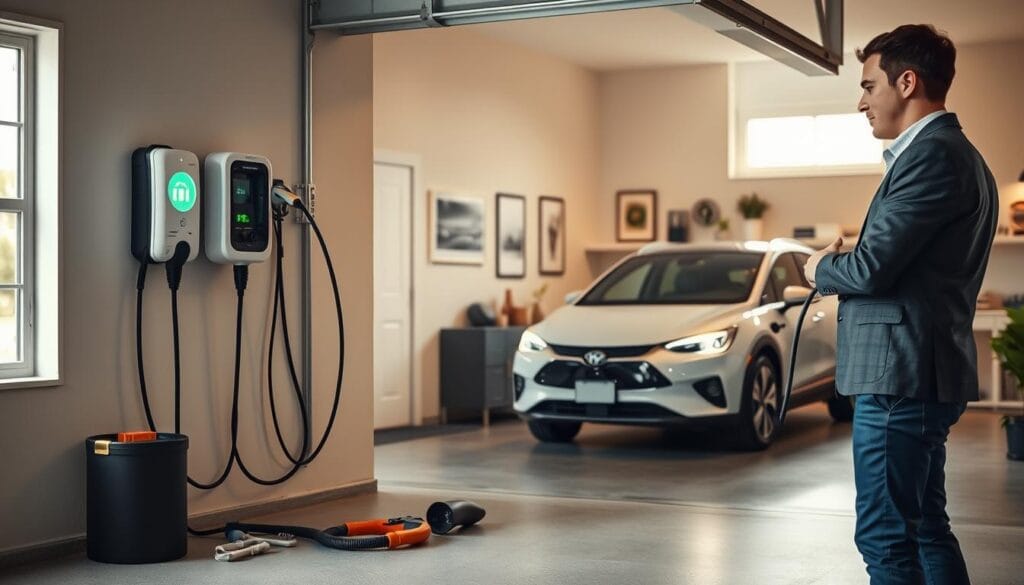
Knowing these ongoing costs helps you plan your budget. This ensures your investment in electric vehicle technology is smart and easy to manage.
Future Trends in EV Charger Pricing
Thinking about getting a Level 2 EV charger? Knowing what the future holds for prices is key. The cost of these chargers and installation will change with new tech and more EVs on the road.
Technological Advancements
New tech will make Level 2 EV chargers better and cheaper. As charging systems get smarter, you’ll see chargers work better and cost less. This means the level 2 ev charger installation price might drop.
Market Predictions
The demand for EVs will grow, affecting charger prices. With more people and businesses getting EVs, costs will likely fall. This is because of the bigger demand and the chance to make more chargers at once.
Increased EV Adoption
More people want electric cars, which will change how we charge them. As EVs become more popular, charger prices will likely go down. This makes it easier for everyone to switch to electric vehicles.