Affordable Electric Vehicles Launching 2026 — Final Chance to Budget
The average price of a new car in the U.S. has now passed $50,000. This makes switching to eco-friendly transport seem hard. But, upcoming electric vehicle launches are about to change everything. Elon Musk said, “When something’s important enough, you do it even if the odds are not in your favor.”
The car market is getting ready for a big change. Affordable EVs are coming to the market.
Now is the time to save money with the new 2026 models. CarEdge data shows many new models offer big savings. This makes it a great time to switch to an electric vehicle.
Table of Contents
The Rise of Affordable EVs in the Market
Electric vehicles are getting cheaper as companies cut prices and launch new models. This change is thanks to better electric vehicle technology and the push for sustainable transportation.
It’s important to know the EV pricing trend for those looking to buy. EVs are now 3-8% cheaper, while gas cars are 2-4% more expensive. This makes EVs a smart choice for both the planet and your wallet.
Understanding the EV Pricing Trend
Several factors are behind the price drop of EVs. More competition, better battery making, and keeping sales up without tax credits are key. Now, you can find new EVs for about $30,000, making them a good deal compared to gas cars.
Experts say, “The future of transportation is electric, and prices are getting friendlier.” This shows EVs are becoming more affordable and could soon be a common choice for getting around.
| Model | 2025 Price | 2026 Price | Change |
|---|---|---|---|
| Hyundai IONIQ 5 | $35,000 | $32,000 | -8.6% |
| Ford F-150 Lightning | $50,000 | $47,000 | -6% |
Key Players in the Affordable EV Segment
Several big names are leading the way in affordable EVs. The Hyundai IONIQ 5 and Ford F-150 Lightning are getting cheaper, with big price cuts for 2026. This makes EVs more reachable for more people.
As the market keeps changing, it’s key to keep up with green energy updates and sustainable transportation news. This way, you can make a smart choice when buying your next car.
Upcoming Models to Watch for in September 2026
As September 2026 approaches, the car world is buzzing with excitement. This month, top brands will launch latest EV models that will change the game. Electric vehicle fans have a lot to look forward to.
Overview of Major Brands Launching New EVs
The 2026 Dodge Durango R/T Plus and the 2026 Jeep Cherokee are among the most awaited. The Dodge Durango R/T Plus comes with a 392 HEMI V8 engine. It packs 475 horsepower and 470 lb-ft of torque.
The Jeep Cherokee, starting at $35,000, is a greener option. It has a 1.6-liter engine and two electric motors. These new cars are not just fast; they also come with cool features for today’s drivers.
Highlighted Features of Each Model
The 2026 Dodge Durango R/T Plus is great for heavy loads. Its engine is strong. The 2026 Jeep Cherokee is a mix of efficiency and power. It has a hybrid setup for better performance and less environmental impact.
- The Dodge Durango R/T Plus boasts a 392 HEMI V8 engine.
- The Jeep Cherokee features a 1.6-liter four-cylinder engine and two electric motors.
- Both models are expected to have advanced safety and infotainment features.
The car world is moving towards greener options, and these models are a big step. Whether you want a strong SUV or a fuel-efficient hybrid, September 2026 is going to be thrilling. It’s a great time for those looking for environmentally friendly vehicles.
How to Prepare Your Budget for an EV Purchase
With new-vehicle prices going up, it’s key to check your budget for an EV. Prices have been rising for over a year and hit $50,000 in September 2025. Buyers need to plan carefully for their EV purchase.
Getting ready for an electric vehicle means more than just the price. You need to understand your financial situation and the full cost of owning an EV.
Assessing Your Financial Readiness
Before buying an EV, check your finances. Look at your income, expenses, savings, and debts. Make a budget plan that includes extra EV costs like charging gear and insurance.
When checking your finances, consider these points:
- Your savings rate
- High-interest debts and their loan impact
- Your credit score for better loan rates
Experts say a good credit score can lower your loan costs. “A good credit score can get you lower interest rates, saving you thousands,” a financial advisor notes.
Understanding Total Cost of Ownership
Buying an EV means more than just the price. You’ll also pay for charging, maintenance, and any incentives. Knowing these costs helps you decide better.
Here’s what you need to know about total cost:
| Cost Component | Description | Estimated Cost |
|---|---|---|
| Purchase Price | The upfront cost of the vehicle | $30,000 – $50,000+ |
| Charging Costs | The cost of electricity to charge the vehicle | $3 – $5 per 100 miles |
| Maintenance | Routine maintenance and repairs | $500 – $1,000 per year |
| Incentives/Rebates | Federal and state incentives for EV purchases | Up to $7,500 |
While EVs might cost more upfront, they save on fuel and maintenance over time. Plan carefully to get the best deal.
Incentives and Rebates for Electric Vehicles
Learning about the incentives and rebates for electric vehicles can greatly affect your buying choice in 2026. The car industry is moving towards green energy, making eco-friendly cars more affordable through various programs.
Federal Tax Credits Available in 2026
The U.S. government stopped tax credits for EVs in 2025. But, it’s important to keep up with any policy changes that might affect your 2026 purchase. Car makers are cutting prices to keep interest in electric cars high.
Key Points to Consider:
- The current federal tax credit policy for EVs.
- Potential future changes in legislation that could reinstate or modify tax credits.
- How automakers are adjusting their pricing strategies in response to the current policy.
State-Specific Incentives and Rebates
Even without federal tax credits, many states offer their own incentives and rebates for electric vehicles. These can include:
- Rebates on the purchase price of an EV.
- Exemptions from certain state taxes.
- Access to carpool lanes even if you’re driving alone.
It’s essential to research the specific incentives available in your state to maximize your savings.
You can visit your state’s government website or talk to a dealership to find out what incentives you qualify for.
The Charging Infrastructure Landscape in 2026
The electric vehicle market is growing fast in 2026. This growth is thanks to a better and more accessible charging system. As more electric cars hit the roads, we need more places to charge them.
Availability of Public Charging Stations
In 2026, we’ll see a big jump in public charging stations. This is thanks to government plans and private money. Public charging stations are popping up in cities, malls, and on highways. This makes long trips in electric cars easier.
But it’s not just cities that are getting more charging spots. Rural areas are also getting more, so EV owners can charge up wherever they are.
Home Charging Solutions
Home charging is also getting better, with faster and smarter systems. Home charging lets you charge your car overnight. This way, you’re ready to go in the morning.
Many places offer special rates for EV owners. This makes charging at home cheaper and more convenient.
EV Maintenance: What to Expect
Thinking about buying an affordable electric vehicle (EV) in September 2026? It’s important to know about maintenance. EVs are popular for being green and saving money, but how’s their upkeep?
Routine Maintenance vs. Traditional Cars
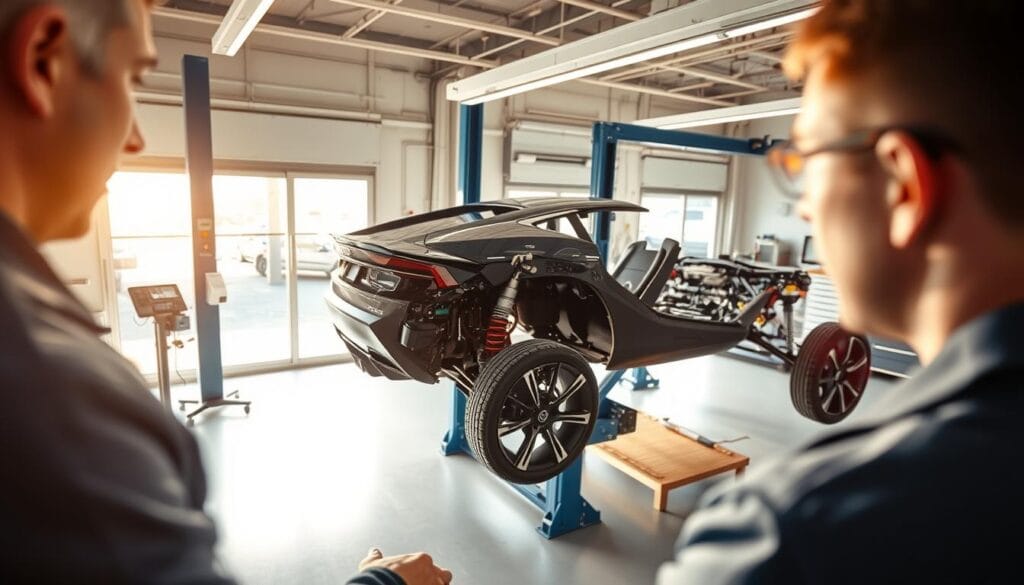
EVs need less maintenance than gas cars. They have fewer moving parts, so there’s less chance of problems. You won’t need to change oil, as they run on electric motors. This saves money and cuts down on trips to the mechanic.
EV maintenance includes checking the battery health and the charging system. You also need to keep the brake system in good shape. EVs use regenerative braking, which can help your brakes last longer and save on costs.
Long-Term Reliability of Affordable EVs
Thinking about the long-term reliability of affordable EVs is key. Thanks to electric vehicle technology advancements, newer EVs are more reliable. Battery tech is getting better, which is key for EVs’ overall dependability.
When looking at EV reliability, check the warranty, and the battery warranty in particular. Many makers offer long warranties on batteries, giving EV owners peace of mind.
Choosing an affordable EV in 2026 means picking a eco-friendly and reliable car. It’s a smart choice for the future.
Sustainability and Environmental Impact
Choosing an electric vehicle is becoming more popular to reduce carbon footprint. It’s key to know the environmental benefits of this choice.
The Benefits of Choosing an Electric Vehicle
Electric vehicles are better for the environment than traditional cars, producing zero tailpipe emissions. This cuts down on greenhouse gases and air pollutants, making the air cleaner. The Environmental Protection Agency (EPA) says transportation is a big source of U.S. emissions. Switching to EVs is a big step towards a greener future.
“The transportation sector is one of the largest contributors to greenhouse gas emissions. Electric vehicles are a key component in reducing these emissions and achieving a more sustainable transportation system.” –
By picking an EV, you lower your carbon footprint and help make transportation greener. As more people choose EVs, there’s more support for them, including better charging options.
How Your Choice Affects Global Emissions
Your choice to buy an EV affects more than just your local area. More EVs mean less use of fossil fuels, which lowers global emissions. This helps fight climate change. Studies say EVs could greatly reduce CO2 emissions from transportation.
Also, as the grid gets more renewable, charging EVs will emit less. This means EVs will keep getting greener over time.
In summary, picking an electric vehicle is a big step towards being kinder to the planet. With no emissions and the chance to run on clean energy, EVs are key to a greener future.
Tech Innovations in Upcoming Affordable EVs
The year 2026 is set to be a big year for electric vehicles. Many affordable models will come with new tech features. Knowing about these can help you choose the right electric car.
Emerging Technologies to Look Out For
The newest EVs are packed with advanced tech. One big feature is autonomous driving. Many cars will have systems that help you drive on your own.
Another cool thing is advanced infotainment systems. These systems make your car more connected and fun. You’ll enjoy your drive more.
For more info on EVs, check out Drive Green Journey. It’s a great place for EV news and updates.
Enhancements in Battery Life and Efficiency
Battery tech is key for electric cars. New EVs will have improved battery chemistries. This means longer drives and better efficiency.
Also, battery management systems are getting better. These systems help your battery last longer. Your car will perform better.
Thanks to these updates, EVs will go further without losing power. This makes electric cars a great choice for more people.
The Importance of Test Driving
Test driving an EV is more than just a formality. It’s a key part of buying a car that shows its true worth. When looking for eco-friendly cars, knowing how they perform, how far they go, and their features is key.
When you’re ready to buy, driving the car yourself is vital. This lets you see if it fits your lifestyle. Electric cars, for example, have special features like regenerative braking and quick acceleration. These can change how you drive.
Why You Should Always Test Drive an EV
Driving an EV lets you see how it does in real life. You can test its speed, handling, and how it feels with people or stuff inside.
It’s also a chance to try out the car’s comfort and tech. This includes the entertainment system, air control, and safety aids. Getting a feel for these features is important for making a choice you’ll be happy with.

What to Look for During a Test Drive
Pay attention to how the car speeds up and slows down. Listen for any odd sounds or feels. See how far it goes by driving on different roads and in different weather. This will give you a good idea of its performance.
Also, think about how it charges. Try to charge it during your test to see how it handles different speeds and to get used to the charging setup.
- Assess the vehicle’s handling and responsiveness.
- Evaluate the comfort and features of the interior.
- Check for any issues with the vehicle’s systems.
By carefully test driving an electric vehicle, you can make a better choice. This ensures your new eco-friendly car will meet your needs and expectations.
Comparing Electric Vehicles vs. Gasoline Cars
With the rise of green energy updates, comparing electric vehicles to traditional gasoline cars is more relevant than ever. Understanding the key differences between these two types of vehicles can help you make an informed decision.
Cost Savings Over Time
Electric vehicles offer a significant advantage in cost savings over time. EVs are cheaper to run because electricity is generally less expensive than gasoline. According to the latest EV news, owners can save hundreds of dollars each year.
Maintenance costs for EVs are also lower than for gasoline cars. EVs have fewer parts and don’t need oil changes, which reduces maintenance costs. A study found that EVs can save owners $1,000 to $2,000 over five years compared to gasoline cars.
| Cost Category | Electric Vehicles | Gasoline Cars |
|---|---|---|
| Fuel Costs (5 years) | $3,000 | $5,000 |
| Maintenance Costs (5 years) | $1,000 | $2,500 |
| Total Cost (5 years) | $4,000 | $7,500 |
Performance Differences
Performance is a key aspect to consider when comparing electric vehicles and gasoline cars. EVs offer instant torque, providing quicker acceleration and a smoother ride. Industry experts say EVs offer a unique driving experience that is quieter and more responsive than traditional gasoline cars.
“The instant torque in electric vehicles makes them feel incredibly responsive and agile on the road.”
In contrast, gasoline cars have a wider range of models and a more established infrastructure. But they generally have higher operating costs and a less smooth driving experience compared to EVs.
When considering your next vehicle purchase, it’s important to weigh the cost savings and performance differences between electric vehicles and gasoline cars. With ongoing updates in green energy, EVs are becoming a more attractive option for those seeking an environmentally friendly vehicle.
Building Your EV Purchase Timeline
With the September 2026 affordable EV launches coming up, it’s time to plan your purchase. A well-organized timeline ensures a smooth buying experience. It also helps you prepare for any delays.
Key Dates to Keep in Mind
The launch of new EV models in September 2026 is a key date. Mark it on your calendar. Don’t forget to also consider:
- Pre-order opening dates, which may start a few months before the launch
- Production timelines, which can impact delivery dates
- Any special promotions or incentives that may be available around the launch period
Keeping up with EV news and updates from manufacturers is vital for planning your purchase.
Preparing for Possible Delays
Manufacturers aim to meet their timelines, but delays can happen. To handle delays, consider:
- Adding flexibility to your purchase timeline
- Checking with the manufacturer for updates on production and delivery
- Having a backup plan, like looking at different models or manufacturers
Being prepared and informed helps you deal with any challenges during the buying process.
Frequently Asked Questions About Affordable EVs
Thinking about buying an affordable electric vehicle? You might wonder about range anxiety, charging, and battery life. Keeping up with green energy news is key to making a smart choice.
Common Concerns Addressed
Are you curious about the daily range of affordable EVs and where to charge them? Most EVs can go over 200 miles on one charge. This makes them great for daily drives and short trips.
The number of public charging spots is growing fast. Plus, you can charge at home. This makes using EVs for daily travel easier and more convenient.
Where to Find More Information
For the latest on eco-friendly cars, check out Tesla, Chevrolet, and Nissan’s websites. Government sites and green groups also offer helpful info. They talk about EV benefits and incentives.
By keeping current with EV news, you can choose wisely. This choice supports a greener future and meets your needs.