How 2026 Car Launches Are Driving EV Charging Infrastructure Upgrades
The world is moving towards a greener future. Elon Musk’s words, “When something’s important enough, you do it even if the odds are not in your favor,” really hit home for the EV industry. The U.S. government has big plans for electric cars. They want all new cars to be electric by 2035.
The car world is changing fast, thanks to September 2026’s car launches EV Charging Infrastructure Upgrades. These new cars will push for better EV charging infrastructure. This is key for electric cars to become more common.
Table of Contents
The EV Charging Infrastructure Upgrades in September 2026
As we get closer to September 2026, the electric vehicle (EV) market is ready for big growth. This growth comes from better sustainable transportation technology and more use of renewable energy vehicles. We’ll see many new EV models that meet different needs and tastes.
Trends in the Electric Vehicle Market
The EV market is changing fast, thanks to government rules and new tech. The federal government’s recent move to review EV rules has caught everyone’s attention. This has made investors and buyers very interested.
More people are choosing EVs because they care about the planet. Also, battery costs are going down, making EVs cheaper than gas cars.
Key Manufacturers Launching New Models
In September 2026, big names in the EV world will introduce new models. These brands have led the EV charge, with everything from small cars to big SUVs and fancy luxury cars.
- Top car makers are putting a lot into EV tech.
- New models will have better range and speed.
- There will be more choices for everyone, no matter what you need or want to spend.
Consumer Demand for EVs
More people want EVs because they know they’re good for the planet. They also see the benefits of using less gas and making less pollution. Government help and more places to charge EVs make them even more appealing.
As people learn more about EVs, like how they save money and are better for the environment, they’ll keep wanting them.
The Importance of EV Charging Infrastructure
A well-developed EV charging infrastructure is key for the growth of green energy vehicles. As more people want electric cars, we need more charging stations. This network helps reduce worries about running out of charge and makes electric cars more practical.
The Role of Charging Stations in EV Adoption
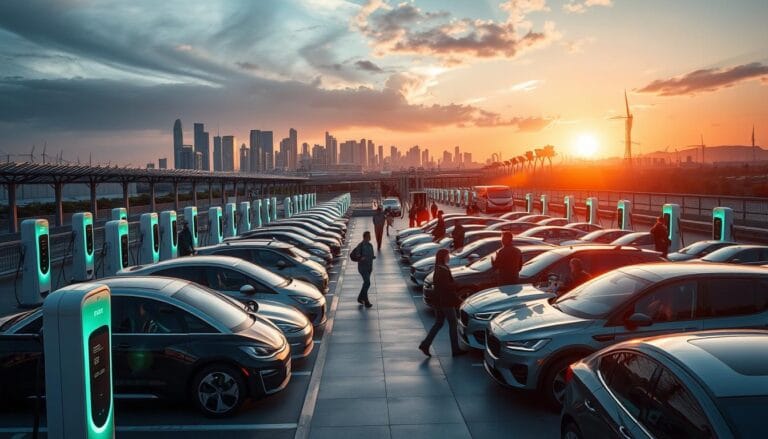
Charging stations are the heart of the EV world. They help EV owners charge their cars easily and quickly. Having enough charging spots can make a big difference in who buys an EV. A strong charging network can ease range anxiety, attracting more people to electric cars.
Current State of Charging Infrastructure
The state of EV charging varies a lot around the world. Some places are investing a lot in more charging spots, while others are behind. For example, Newfoundland and Labrador is investing $3.8 million to add 14 new fast-charging stations in 2026. Such efforts are vital for a better charging network.
Benefits of a Robust Charging Network
A strong charging network brings many advantages, including:
- More people trusting in EVs
- Less worry about running out of charge
- Helping more EV owners
- Encouraging more to choose EVs
Looking at government and private efforts shows the value of a good charging network. Here’s a table that shows some key points:
| Aspect | Government Investment | Private Sector Initiatives |
|---|---|---|
| Funding | $3.8 million for 14 new fast-charging stations | Varied, often in partnership with automakers |
| Impact | More public fast-charging spots | New charging tech and more stations |
| Benefits | Helps with clean transport goals | Better and more charging options |
In summary, a solid EV charging network is vital for electric cars to keep growing. Knowing how charging stations work, the current state, and the benefits of a good network helps us support electric vehicles better.
Upcoming Electric Vehicle Models to Watch
Excitement is growing as big car brands get ready to show off their new electric cars in September 2026. This move will help make eco-friendly transportation solutions more popular. The government wants 35% of all car sales to be electric by 2030, aiming for 100% by 2040 if possible.
Major Brands Unveiling New EVs
Many top car makers are set to introduce their latest electric cars. Here are a few:
- Tesla: Plans to update its Model S and add a new model with better range and speed.
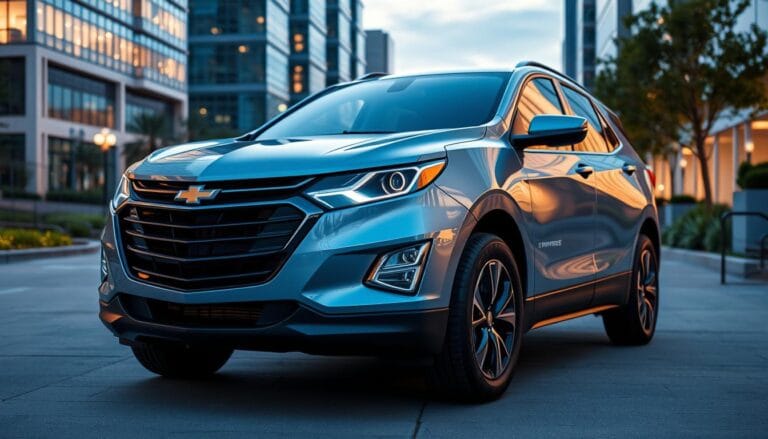
- General Motors: Will launch an electric version of a popular SUV, with great range and charging tech.
- Volkswagen: Will show off a new ID series, with better batteries and design.
Features Driving Consumer Interest
People are excited about electric cars with cool features like:
- Better self-driving tech.
- Larger screens for entertainment.
- New battery tech for longer trips.
These features make driving electric cars more fun and eco-friendly.
Expected Range and Performance
The new electric cars will have longer ranges and be faster. For example:
| Model | Expected Range | 0-60 mph |
|---|---|---|
| Tesla Model S Refresh | Up to 450 miles | Under 3 seconds |
| GM Electric SUV | Over 300 miles | Under 5 seconds |
| VW ID Series Next Gen | Up to 400 miles | Under 4 seconds |
When these cars come out, they’ll attract more buyers. They’ll also help grow the electric vehicle charging network, supporting the EV market’s growth.
Upgrades in Charging Technologies
The demand for next-generation electric vehicles is growing fast. This is pushing the limits of EV charging stations rollout. As more people choose electric cars, we need better, faster, and easier ways to charge them.
Innovations in Fast Charging Solutions
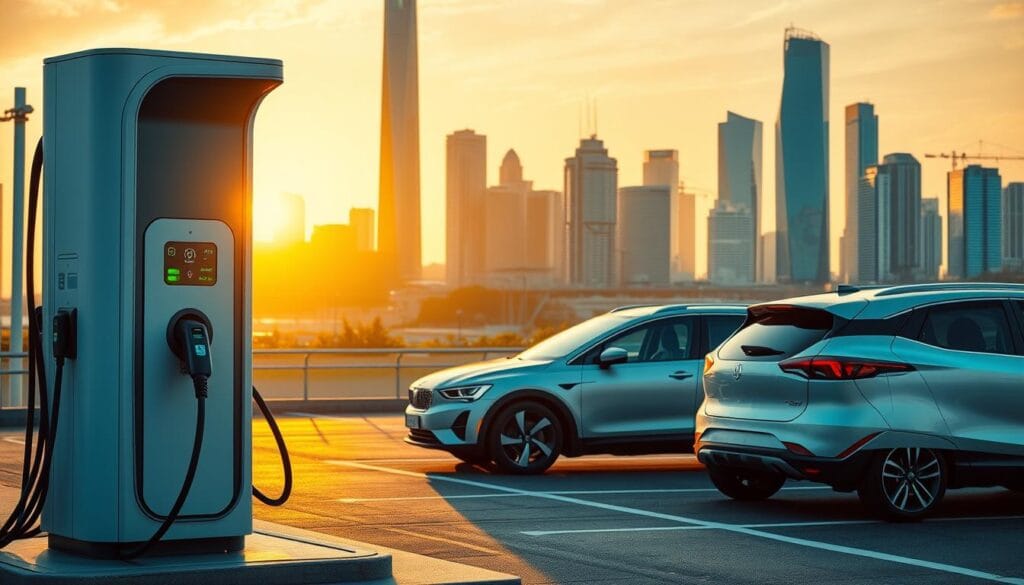
Fast charging tech is getting better, letting drivers quickly fill up their cars. New stations can charge up to 350 kW, cutting down on wait times. Some cars can go from 0 to 80% in just 15 minutes.
These quick charges are key for long trips and for those who need to charge fast. Ultra-fast charging corridors on highways are also making long-distance EV travel easier.
Home Vs. Public Charging Options
Choosing between home and public charging is a big decision for EV owners. Home charging is convenient, using a Level 2 charger overnight. Public charging gives drivers flexibility, perfect for those always on the move.
Experts say we’ll need more public charging ports. By 2040, Canada will need 679,000 ports for every 31 EVs. This shows how vital a strong public charging network is for more EVs.
The Impact of Wireless Charging
Wireless charging is a new and exciting feature for EVs. It lets cars charge without a plug, using magnetic fields. This tech is great for cities, where charging pads can be installed in parking spots.
Wireless charging is just starting, but it could change how we charge EVs. It makes charging easier and more convenient. As it improves, we’ll see it more in public and private charging spots.
Federal and State Incentives for Charging Stations
Government incentives are key in EV Charging Infrastructure Upgrades stations. They help make transportation more sustainable. As electric cars become more popular, these incentives are vital for a wide charging network.
Overview of Government Programs
U.S. government has supported EV charging stations nationwide, starting in 2016. It aims to cut carbon emissions and boost electric cars. Programs offer grants, tax credits, and other help for those investing in EV charging.
The Charging and Refueling Infrastructure Discretionary Grant Program helps fund EV charging along highways and in communities. Such efforts are essential for a strong, accessible network.
“Investing in EV charging infrastructure is not just about supporting electric vehicles; it’s about building a sustainable transportation system for the future.” –
How Incentives Can Benefit You
Government incentives can lower the cost of installing EV charging stations. Businesses can save money upfront and see returns faster. Individuals can find owning an electric car more feasible with more charging spots.
- Tax credits for installing EV charging stations
- Grants for businesses to support public charging infrastructure
- Low-interest loans for individuals to install home charging stations
These incentives help both individuals and businesses. They also grow the EV market, making electric cars more appealing to more people.
The Future of EV Grants and Funding
As the EV market grows, government incentives will likely change. Future programs will focus on fast-charging corridors and renewable energy for charging.
The Inflation Reduction Act supports EV Charging Infrastructure Upgrades. It shows the government’s dedication to a green future.
By keeping up with incentives and funding, businesses and individuals can benefit. This helps create a more sustainable transportation system.
The Role of Private Sector in EV Infrastructure
Private companies, like car makers and charging stations, are investing a lot in Canada’s public charging network. They focus on DC fast charging. This is key for electric vehicles (EVs) to become more popular. It helps solve the big worry of range anxiety for buyers.
Partnerships Between Automakers and Charging Networks
There’s a big trend in EVs: partnerships between car makers and charging networks. These partnerships aim to grow the charging network. They help more EVs travel long distances by installing DC fast charging stations.
These partnerships also push for better charging tech. Together, car makers and charging networks create faster and easier charging options. This makes owning an EV a better experience.
Investment Trends in Charging Infrastructure
More money is going into EV charging, with private companies leading the way. DC fast charging is a big focus. It can charge an EV to 80% in under 30 minutes. This is key for long trips and quick charges.
There’s a move towards more public charging spots, mainly in cities and on highways. This is vital for supporting more EVs and easing range anxiety for buyers.
Private Market Innovations
The private sector is also innovating in EV charging. New tech and business ideas are making charging easier and more accessible. For example, wireless charging lets EVs charge without being plugged in.
Other new ideas include high-power charging corridors. These are routes with many DC fast charging stations. They make long EV trips easier with fewer stops. These advancements will help EVs become even more popular by making charging simpler.
Addressing Range Anxiety with New Technologies
Range anxiety is a big problem for electric cars. But, cutting-edge automotive technology is helping. It’s important to know how new tech and better infrastructure can help you feel better about switching to electric.
Understanding Range Anxiety
Range anxiety is the worry that your electric car will run out of charge. This is because there aren’t enough charging spots yet. But, new EV tech is making things better.
Check out the International Energy Agency’s report on EV charging for the latest info.
Practical Solutions from New EV Launches
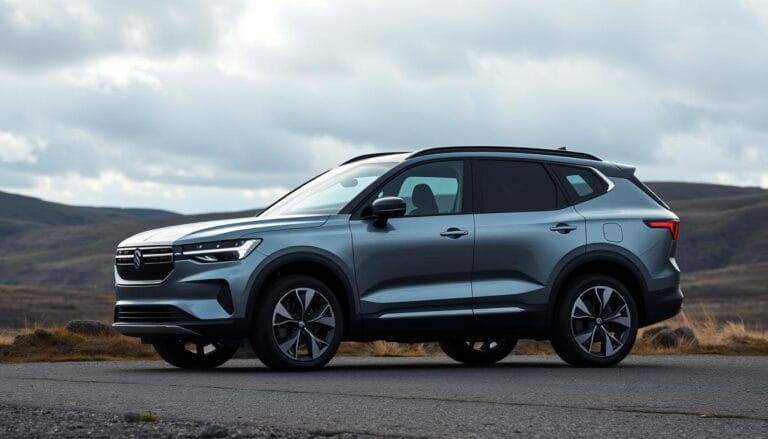
New electric cars can go over 300 miles on one charge. This means you don’t have to stop to charge as often.
Car makers are also working on better batteries and charging systems. This makes driving long distances in an EV easier than before.
How Infrastructure Improvements Alleviate Concerns
More charging spots are being built to help with range anxiety. Governments and companies are putting in fast-charging stations along highways.
| Infrastructure Improvement | Benefit |
|---|---|
| Fast-Charging Stations | Reduces charging time to under 30 minutes |
| Highway Charging Corridors | Enables long-distance travel with convenient charging stops |
| Urban Charging Networks | Provides easy access to charging for daily use |
As more charging stations are built, people feel more confident about buying EVs. You can now plan trips knowing there are charging spots nearby.
Choosing eco-friendly transportation solutions and new tech means less carbon emissions. Plus, you get a more efficient and green way to travel.
Urban vs. Rural Charging Infrastructure
Urban and rural areas face different challenges in setting up electric vehicle charging stations. This is key for EVs to become more common. Knowing these differences helps in building a strong electric vehicle charging network.
Challenges in Urban Settings
In cities, the high number of people and cars makes setting up charging stations hard. “The infrastructure needs to be robust enough to support a large number of users,” experts say. You must think about space, the electrical grid, and fast charging to keep users moving.
Opportunities in Rural Areas
Rural areas offer chances for growth in EV charging, thanks to government support and the need for fair access. Data shows four provinces will lead in charging needs by 2040. Investing in rural charging can help green energy vehicles reach more areas.
Case Studies of Successful Projects
Many projects show how to build EV charging infrastructure well. For example, Canada is expanding its electric vehicle charging infrastructure for more EVs. Programs like Drive Green Journey stress the need for a wide charging network.
Looking ahead, a balanced effort in both urban and rural areas is essential. Understanding each area’s challenges and opportunities helps support the shift to green energy vehicles.
The Environmental Impact of EVs and Charging
As we move towards electric vehicles, it’s key to know their environmental effects. EVs are changing cars and raising questions about their ecological impact.
Reducing Carbon Footprint with EVs
EVs can cut down carbon emissions a lot. They don’t have tailpipe emissions, which lowers air pollution in cities. But, making EVs and their charging systems also affects the environment.
Key considerations include:
- The source of the electricity used for charging
- The manufacturing process of EV batteries
- The materials used in EV production
If the electricity for charging EVs is from renewables, their carbon footprint drops a lot. Learn more about EV policy updates on https://drivegreenjourney.com/ev-policy-updates-3/.
The Sustainability of Charging Networks
The sustainability of EV charging networks is vital. As EVs become more popular, we need more and better charging spots. These spots should use clean energy.
Some strategies for improving sustainability include:
- Using renewable energy in the grid
- Choosing energy-saving charging tech
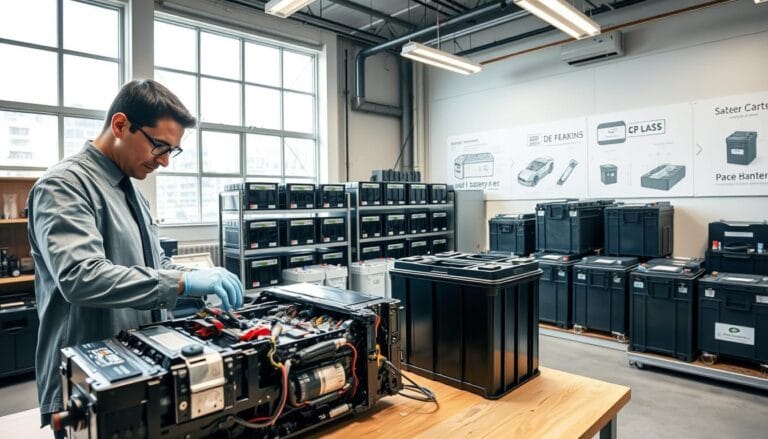
- Starting recycling programs for EV batteries
Future Outlook for Green Energy
The future of EV charging will be greener thanks to new energy tech. As we move to cleaner energy, EVs will help the environment more. We’ll see more solar-powered charging stations and new ideas.
“The future of transportation is electric, and it’s being powered by a commitment to sustainability and reducing our environmental footprint.” –
Understanding EVs and their charging systems helps us build a greener transport system. This benefits our planet and people.
Preparing for 2026: What You Need to Know
The year 2026 is set to be a big year for electric vehicles. Knowing what’s coming will help you choose wisely. Canadians spent about $70 billion on gas in 2022. But, with more electric cars, we’ll likely spend less on gas.
How to Choose the Right EV for Your Needs
Choosing the right electric vehicle is about more than just picking a car. Think about your daily drives, how far you need to go, and your budget. With many new models coming in September 2026, you’ll have lots of choices.
- Think about your daily drives to figure out how far you need to go.
- Look into different models and what they offer.
- Check out the charging options in your area.
What to Look for in Charging Options
Knowing about charging options is key for a smooth EV experience. You’ll need to decide between charging at home or using public charging stations.
| Charging Option | Benefits | Considerations |
|---|---|---|
| Home Charging | Convenient, cost-effective | Requires installation of a charging station |
| Public Charging | Wide availability, fast charging options | Can be more expensive, may require membership or payment |
Tips for Maximizing Charging Efficiency
To charge your EV efficiently, pay attention to how you charge it and your car’s abilities.
- Charge during off-peak hours to help the grid.
- Keep your battery between 20% and 80% charged for daily use.
- Use fast charging carefully to avoid battery wear.
By following these tips, you’ll be ready for the EV changes in 2026. You’ll get the most out of the sustainable tech available.
The Future of EV Charging: What Lies Ahead
Electric vehicles are becoming more popular, and we need better charging systems. Expect big changes in electric vehicle charging stations. These will come from using renewable energy and new car tech.
Advancements in Charging Infrastructure
New charging systems are being developed fast. They include quick charging and more public stations. EV charging can also help manage the power grid, saving money and energy.
Renewable Energy Integration
Using green energy for EV charging is key to lowering their carbon impact. As more people drive electric, we’ll need more green power to charge them.
Smart Technology in EV Charging
Smart tech will play a big part in EV charging. It will help manage charging in real-time. This makes charging more efficient and better for the environment.