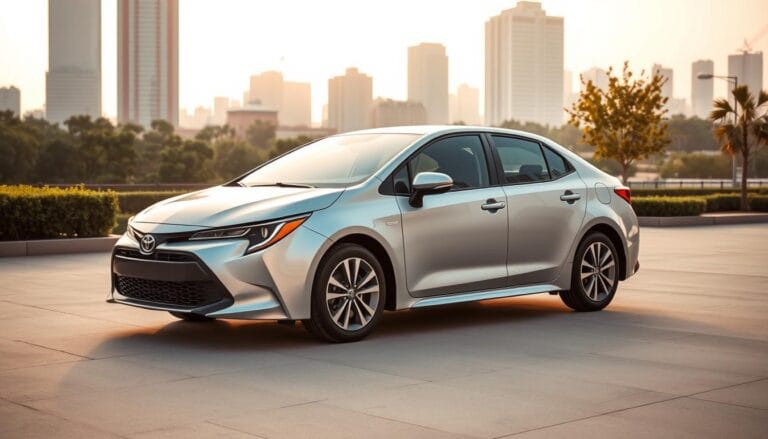

September 2026 Vehicle Launches: How They Aim to Reduce Carbon Footprint
“The future depends on what we do today,” said Mahatma Gandhi. He stressed the need for our actions to shape a sustainable tomorrow. The automotive industry is key in making our future greener by reducing its carbon footprint.
Volvo Car USA has shared plans for its 2026 electric lineup. This includes updates to the 2026 Volvo EX90 and the introduction of the EX30 Cross Country and Single Motor variants. This is a big step towards eco-friendly mobility.
This is a critical time for the automotive industry. Sustainability is now driving innovation. The upcoming launches aim to set new standards to Reduce Carbon Footprint.
Table of Contents
Overview of September 2026 Vehicle Launches
September 2026 is a big month for cars, with new models that show off the latest in environmental impact reduction. These cars are all about sustainable transportation and cutting down on vehicle emissions reduction.
The Volvo EX90 is one of the most awaited cars. It has a new 800-volt electrical system for quick charging. It also has a powerful computer for better safety. This car shows how cars are getting greener and smarter.
Significance of New Vehicle Models
The new cars coming out in September 2026 are a big deal. They show the car industry’s big step towards being kinder to the planet. These cars are made with sustainability in mind, not just as small updates.
Car makers are putting a lot of effort into making these cars eco-friendly. The Volvo EX90 is a great example. It has a cutting-edge electrical system and focuses on safety.
Trends in Automotive Sustainability
One big trend is electric cars and using different energy sources. The cars coming out in September 2026 will include many electric models. This will help the industry move away from old gas engines.
Another trend is using new materials to make cars lighter. This helps cars use less fuel and need less energy to move. Car makers are also looking into new ways to make cars that are better for the environment.
Key Players in the Automotive Industry
The demand for eco-friendly vehicles is growing fast. Big names in the car world are coming up with new ideas. They’re working together to make the industry more sustainable.
Major Brands Embracing Eco-Friendly Practices
Big car brands are cutting down their carbon footprint. For example, Volvo Cars wants to only make electric cars by 2040 and be carbon neutral. They’re not alone; many are investing in electric cars and green manufacturing.
Other big names are also making big promises:
- Tesla: Keeps leading in electric cars.
- Volkswagen: Plans to make more electric cars.
- BMW: Is growing its electric and hybrid car range.
Collaborations for Sustainable Development
Working together is key for a greener car industry. Companies can split costs and share benefits of new tech. They’re teaming up on:
- Standardizing battery tech to cut costs and boost efficiency.
- Creating green supply chains to lessen environmental harm.
- Sharing research and development to speed up green tech adoption.
The car world is changing fast, and leaders are key to making it greener. Their green efforts and teamwork will help us reach a cleaner future.
Innovative Technologies Driving Reduce Carbon Footprint
Innovative technologies are key in the automotive industry’s fight against carbon emissions. As new vehicle models hit the market, they bring cutting-edge solutions to lower environmental impact.
Electric Vehicles and Alternative Energy
The move towards electric vehicles (EVs) is speeding up. Many car makers are planning to launch electric models soon. EVs are a green alternative to gas cars, with no emissions and less need for fossil fuels.
Renewable energy like solar and wind is also being used in car making. This change cuts down the carbon emissions from making cars.
Advanced Materials for Lightweight Design
Using advanced materials for lighter cars is another big step. Materials like carbon fiber and aluminum make cars lighter. This means better gas mileage and fewer emissions.
The Volvo EX30 is a great example. It uses recycled and renewable materials to cut down its carbon footprint. This makes it a leader in eco-friendly car design.
| Technology | Benefits | Examples |
|---|---|---|
| Electric Vehicles | Zero tailpipe emissions, reduced reliance on fossil fuels | Volvo EX30, Tesla Model 3 |
| Advanced Materials | Lightweight design, improved fuel efficiency | Carbon fiber, aluminum |
| Alternative Energy | Renewable energy sources, reduced production emissions | Solar power, wind power |
As the car industry keeps growing, these new technologies will be essential. They help make cars more sustainable and eco-friendly.
Government Regulations Impacting the Industry
Government rules are changing the car world for the better. They focus on making cars less harmful to the environment. This is all set for the big car launches in September 2026.
The car world is changing fast. New rules are making cars cleaner and less harmful. This is helping more eco-friendly cars become popular.
Overview of Emission Standards
New rules are making cars cleaner. The Environmental Protection Agency (EPA) is leading this change. They want to cut down on harmful emissions.
“The EPA is committed to reducing emissions and promoting a healthier environment for all Americans.”
More electric cars are hitting the roads. States are getting money to build more charging stations. For example, Illinois got $18.4 million to add 25 stations.
| State | Funding Received | Number of Charging Stations |
|---|---|---|
| Illinois | $18.4 million | 25 |
| California | $50 million | 100 |
| New York | $20 million | 30 |
Incentives for Eco-Friendly Vehicle Production
There are rewards for making cleaner cars. Governments offer tax breaks and grants to car makers. This helps them make electric or hybrid cars.
For example, electric car makers might get tax credits. This helps them and encourages people to buy cleaner cars.
Government rules are key to the car industry’s future. By following these rules, car makers can help make the world a greener place.
Consumer Expectations for Sustainable Vehicles
The world is moving towards a greener future, and cars are leading the way. People want vehicles that are good for the planet and meet their needs. This shift is driven by changing what consumers expect from cars.
Importance of Transparency in Eco-Friendly Claims
With more eco-friendly cars on the market, honesty is key. People can spot fake green claims, known as greenwashing. Being open about environmental efforts helps build trust and guides buying decisions.
Nissan is leading the way by introducing affordable technology for using cars as power sources from 2026. This shows their dedication to being green and honest.
Understanding Your Role as a Consumer
You have a big part in making cars greener. By choosing eco-friendly vehicles, you support companies that care about the planet. Your choices can shape the future of the car industry.
It’s important to know how cars affect the environment. Look for cars with low emissions and check the company’s green efforts. The table below shows some eco-friendly features to consider.
| Feature | Eco-Friendly Option A | Eco-Friendly Option B |
|---|---|---|
| Fuel Type | Electric | Hybrid |
| Carbon Emissions | Zero | Low |
| Manufacturing Process | Sustainable Materials | Recycled Materials |
Being an informed buyer helps make the car industry more sustainable. Your choices encourage innovation and push companies towards being greener.
Balancing Performance and Sustainability
The push for sustainable mobility solutions is changing car design and performance. The industry aims to cut vehicle emissions while keeping the driving experience great.
Achieving Efficiency Without Compromising Quality
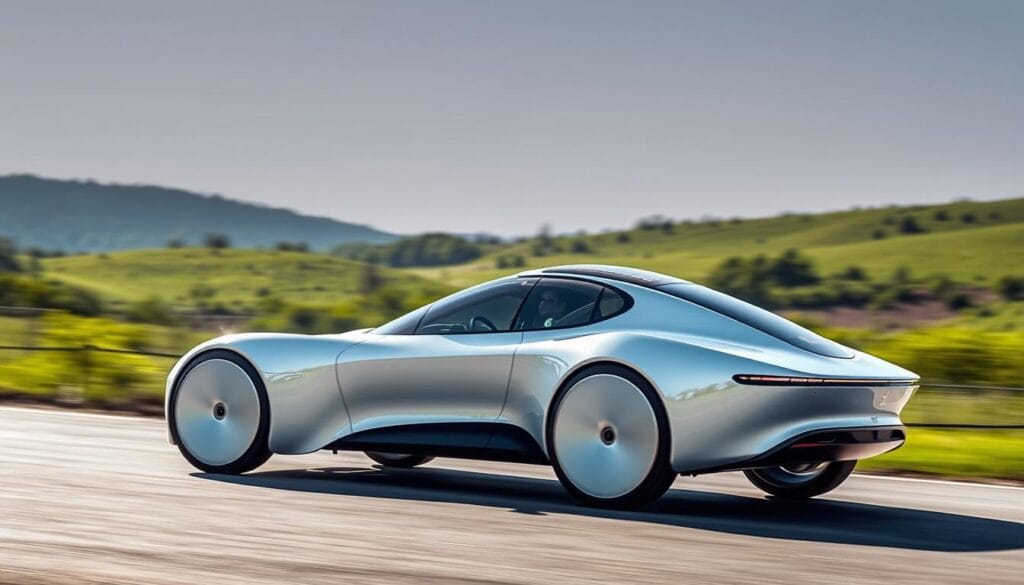
Designing cars that are efficient yet high-quality is a big challenge. Car makers are using new tech to boost both sustainability and performance. For example, the Volvo EX30 can go up to 261 miles on a charge and refills quickly.
They’re using advanced materials and designs to make cars lighter but stronger. This helps save fuel and makes driving better.
How New Models Are Designed for Dual Benefits
New cars are made to be both fast and green. They use electric vehicle technology and other green energy sources. This makes them good for the planet and fun to drive.
- Improved aerodynamics to reduce drag and enhance fuel efficiency
- Use of lightweight materials to minimize weight and maximize performance
- Advanced battery technology for longer ranges and faster charging times
By focusing on these areas, car makers can meet high performance standards while helping the environment. As the industry grows, finding this balance will keep driving innovation.
Challenges in Carbon Footprint Reduction
The journey to make vehicle launches carbon neutral is tough. It’s hard to cut down on carbon in production and supply chains. Companies like Volvo Cars are working hard to make their vehicles’ whole life cycle greener. They face many hurdles in their production and supply chain management.
Addressing Production Emissions
Production emissions are a big part of a vehicle’s carbon footprint. To tackle this, car makers are using new tech and methods. For example, making factories run on renewable energy cuts down on emissions a lot.
Also, making production lines more efficient is key. This means less waste and less energy use.
Key strategies for reducing production emissions include:
- Implementing energy-efficient manufacturing processes
- Utilizing renewable energy sources such as solar or wind power
- Minimizing waste through recycling and efficient material use
Navigating Supply Chain Sustainability
Supply chain sustainability is another big challenge. The car industry depends on many suppliers. It’s vital to make sure all parts and materials are eco-friendly. This means working closely with suppliers to adopt green practices and lessen their environmental impact.
Effective supply chain management is key to lowering a vehicle’s carbon footprint. By encouraging green practices in the supply chain, car makers can cut emissions more effectively.
Best practices for supply chain sustainability include:
- Conducting regular audits to ensure compliance with sustainability standards
- Collaborating with suppliers to implement sustainable practices
- Investing in supplier development programs to enhance sustainability
Future Trends in Automotive Innovation
The automotive industry is changing fast. New trends in automotive innovation are key to making it more sustainable. These changes are driven by new tech and what people want.
Eco-Technology Advancements
Eco-technology is at the heart of the automotive future. Electric vehicles are becoming more efficient. This shift is making the industry more sustainable.
The Sustainable Fuels Summit will talk about new ways to make sustainable fuels. This includes cutting-edge tech and innovative methods.
Some exciting eco-technology advancements include:
- Improved battery technology for electric vehicles
- Advanced materials for lightweight vehicle design
- Innovative aerodynamics for reduced energy consumption
The Role of Artificial Intelligence in Sustainability
Artificial intelligence (AI) is becoming vital for sustainability in cars. AI helps make cars better, predicts when they need repairs, and improves how parts are delivered. This will make cars more sustainable.
Here’s how AI is helping make cars more sustainable:
| AI Application | Sustainability Benefit |
|---|---|
| Predictive Maintenance | Reduced waste and lower emissions |
| Supply Chain Optimization | Improved resource allocation and reduced energy consumption |
| Vehicle Performance Optimization | Improved fuel efficiency and reduced emissions |
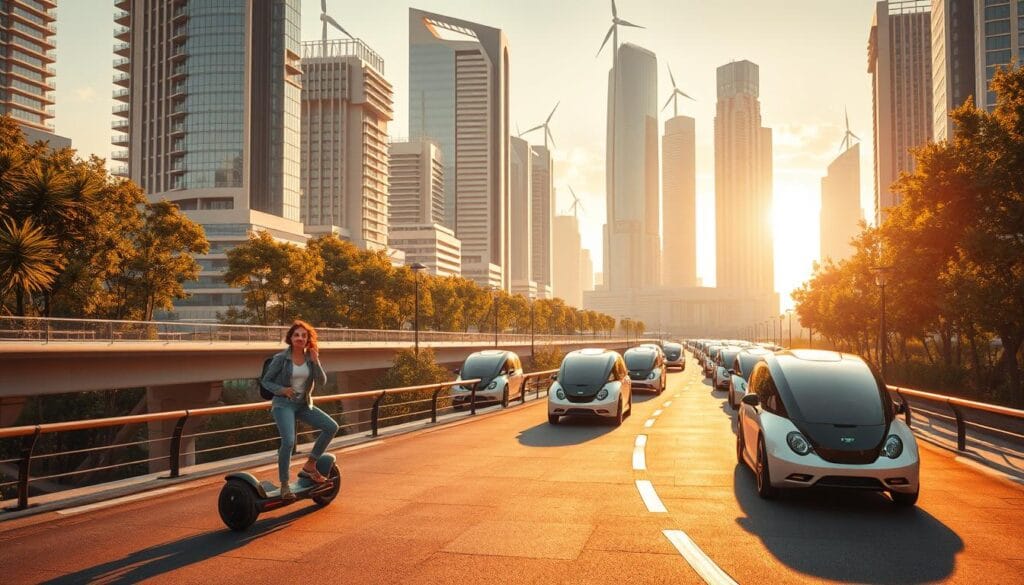
The future of cars is looking bright. New trends in automotive innovation are all about making cars better for the planet. By using eco-technology and AI, we can make a greener future for everyone.
Conclusion: The Road Ahead for Sustainable Vehicles
The car industry is changing fast, moving towards green vehicles. The Government of Canada wants all new cars to be zero-emission by 2035. This makes the future of green cars look very promising.
Shaping the Future of Electric Mobility
Volvo Cars is leading the way in green cars. Your choice to buy green cars helps a lot. It cuts down on pollution and supports green travel.
The Canadian government has big plans for cleaner cars. They want 1.4 million green cars on the road by 2026. For more on Canada’s green efforts, check out the Government of Canada’s website.
Embracing a Greener Automotive Future
As cars get better, you’ll see more green options. Choosing green cars helps make the future of driving cleaner. It’s a step towards a greener world.